


Taxes seem to follow us everywhere.
Buy something from the store? Sales tax. Purchase a home? Property tax. Book a weekend at the beach? Hotel tax. And of course, with every paycheck, there’s federal income tax, state tax (depending on where you live), Social Security, Medicare, and other withholdings.
The good news is that when tax season rolls around, you may have options to reduce your tax bill and keep more money in your pocket. One of the biggest decisions many taxpayers face is whether to take the standard deduction or itemize deductions.
In this guide, we’ll walk you through both options and explain what’s changed under the One Big Beautiful Bill Act.
anchor
What Is the Standard Deduction?
The standard deduction is a fixed dollar amount you can deduct from your taxable income. It’s adjusted yearly for inflation and is a flat reduction from your adjusted gross income to determine your taxable income.
The amount for which you may qualify depends on your filing status (single, married, head of household, etc). Additional benefits apply if you’re 65 or older or visually impaired.
Since you don’t have to keep track of expenses, nearly 90% of taxpayers take the standard deduction because it’s the simplest and quickest option. Check the guidelines listed on the IRS website to ensure you qualify to take the standard deduction.
anchor
What Does It Mean to Itemize?
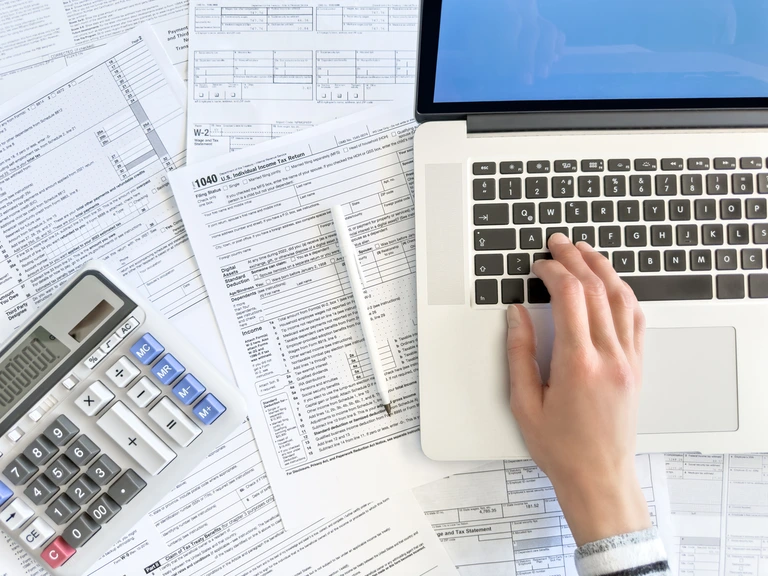
Itemizing requires you to keep track of your eligible, deductible expenses and subtract that total from your adjusted gross income. You must have the proper IRS-approved documentation that reports this total, such as receipts or statements.
Some examples of deductible expenses include:
- Out-of-pocket medical bills
- Acknowledgement letters from charitable organizations
- Tax documents of mortgage interest
- Personal property taxes
Unlike the standard deduction, the amount when you itemize isn’t fixed, as it depends on your actual expenses. This option is worth it for taxpayers whose total amount of allowable itemized deductions is more than the standard deduction. See the instructions for Schedule A (Form 1040) and follow IRS guidelines on limits and qualifications.
anchor
Standard Deduction vs. Itemized Deductions: How to Decide
The easiest way to decide whether to take the standard deduction or itemize is to run the numbers both ways and see which gives you the bigger deduction.
To itemize, you need to keep track of what you spent throughout the year on deductible expenses and add up the total amount. If it’s less than the standard deduction, take the standard deduction. If it’s more than the standard deduction, itemize.
Here are a couple of common scenarios to consider:
- Homeowners with a mortgage often benefit from itemizing because of payments towards mortgage interest and property taxes.
- Renters often stick with the standard deduction unless they have large medical bills or significant charitable contributions.

anchor
What Self-Employed People Should Know
Being self-employed comes with many perks. However, it also comes with extra tax responsibilities as you’re responsible for paying them yourself.
If you earn more than $400 in net earnings (income minus expenses), you must file an annual tax return using Form 1040 or Form 1040-SR. You’ll also need to make estimated quarterly tax payments to cover both income tax and the 15.3% self-employment tax, which includes Social Security and Medicare.
The best approach is to set aside part of every payment you receive. For example, if you earn $40,000 in net profit and expect to owe about 25% in taxes, plan to pay around $2,500 each quarter for the $10,000 tax responsibility.
Luckily, self-employed workers can claim valuable deductions such as business advertising, education, health insurance premiums, home office costs, and work-related travel. Be sure to keep good records and receipts.
anchor
How the One Big Beautiful Bill Act Changed the Rules
On July 4, 2025, the U.S. Congress passed the One Big Beautiful Bill Act, which made significant updates for tax years 2025 through 2028:
- Standard deduction amounts were permanently increased.
- Taxpayers 65 and older can now deduct an additional $6,000 per eligible individual.
- Annual inflation adjustments still apply, so deduction amounts will rise slightly each tax year.
Because the IRS will continue to adjust the standard deduction amounts to keep up with inflation, it’s strongly recommended to review your expenses each tax year to decide whether taking the standard deduction or itemizing is right for you.
anchor
Tax Credits That Can Lower Your Bill Even More
Whether you take the standard deduction or itemize, tax credits can reduce your bill dollar-for-dollar. A few common ones include:
- Earned Income Tax Credit (EITC)
- Child and Dependent Care Credit
- American Opportunity Tax Credit
- Lifetime Learning Credit
- Saver’s Tax Credit
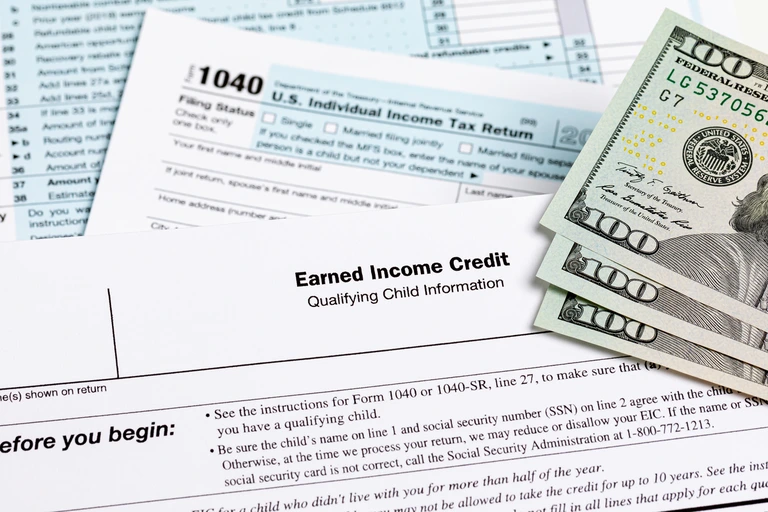
Credits are powerful because they reduce the amount of tax you owe directly, not just your taxable income. For example, let’s say you owe $2,500 in taxes but qualify for a $1,000 Earned Income Tax Credit. Your tax bill drops to $1,500 regardless of your deduction choice.
If you’ve been asking yourself, “Should I itemize or take the standard deduction?”, the answer ultimately depends on your personal situation. For many, the standard deduction is quicker and easier. But if your eligible expenses are high enough, itemizing could save you more. Either way, understanding your options is the first step toward a smoother tax season.
This blog is not intended to provide any tax, legal, financial planning, insurance, accounting, investment, or any other kind of professional advice or services. To make sure that any information or suggestions in this blog fit your particular circumstances, you should consult with an appropriate tax or legal professional before taking action based on any suggestions or information that we provide.
SOURCES
- Text - H.R.1 - 119th Congress (2025-2026): One Big Beautiful Bill Act | Congress.gov | Library of Congress
- Topic no. 551, Standard deduction | Internal Revenue Service
- Topic no. 501, Should I itemize? | Internal Revenue Service
- About Schedule A (Form 1040), Itemized Deductions | Internal Revenue Service
- About Form 1040, U.S. Individual Income Tax Return | Internal Revenue Service
- One, Big, Beautiful Bill Act: Tax deductions for working Americans and seniors | Internal Revenue Service
- Earned Income Tax Credit (EITC) | Internal Revenue Service
- Child and Dependent Care Credit information | Internal Revenue Service
- American Opportunity Tax Credit | Internal Revenue Service
- LLC | Internal Revenue Service
- Retirement Savings Contributions Credit (Saver’s Credit) | Internal Revenue Service